
SWS
Logistics & Transportation SEO Services in Navi Mumbai for Sustainable Growth
Get Found by Businesses Searching for a Reliable Logistics Partner, Not Just a Cheap Quote
Logistics buyers search with urgency and specificity "freight forwarder Mumbai to Bangalore," "warehousing near Navi Mumbai port," "same-day courier Thane" and they're usually evaluating reliability, coverage, and capacity as much as price. If your website doesn't clearly address the routes, services, and capabilities you offer, potential customers move on to a provider that does.
Swami Webcraft Solutions offers Logistics SEO Services in Navi Mumbai, built around how businesses actually search when they're choosing a logistics partner, not around generic keyword volume.
Why Logistics Search Is Route and Capability-Driven
Unlike most industries, logistics search intent centers on specific routes, service types, and capacity "Mumbai to Pune freight," "cold chain logistics," "bulk cargo warehousing" rather than the company name itself. Buyers are often comparing multiple providers on coverage area, fleet type, and turnaround time simultaneously.
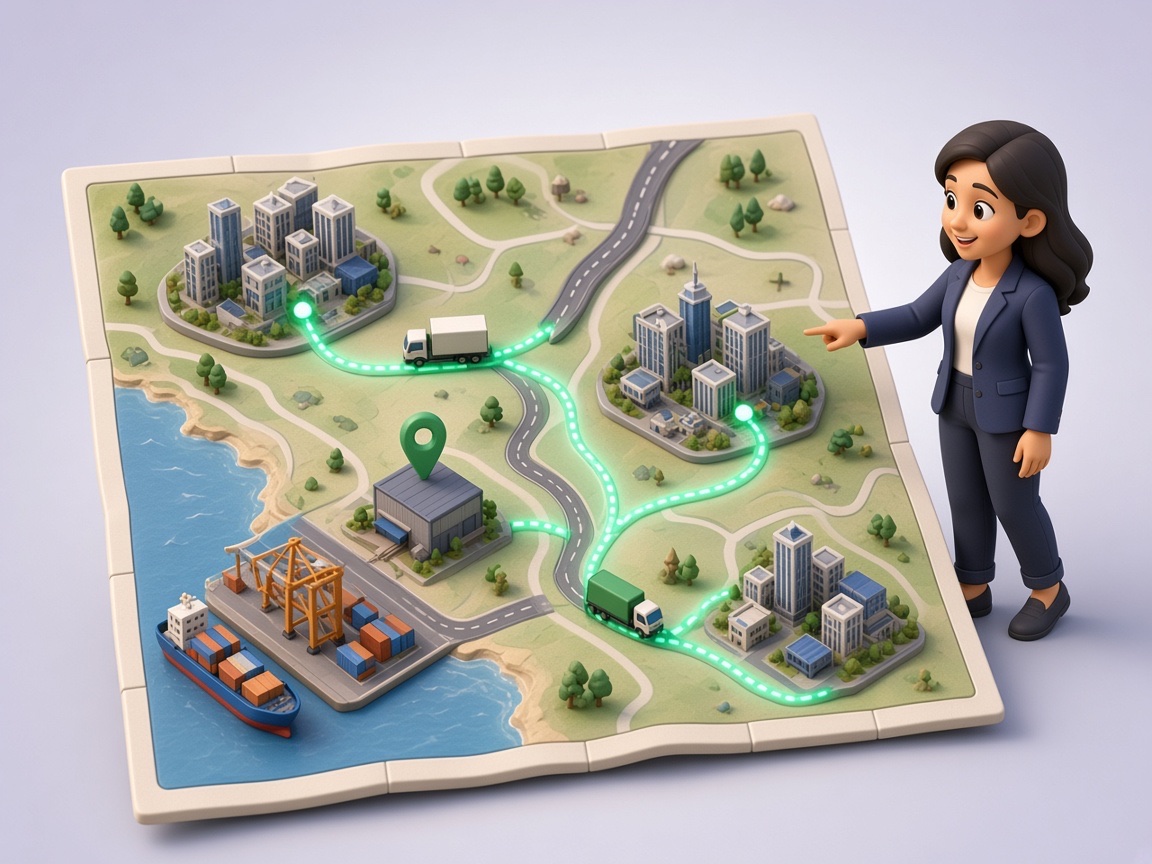
A generic Logistics SEO strategy built around company branding alone misses almost all of this route- and service-specific search volume. A logistics operator in Vashi may have strong brand recognition but still lose enquiries to a competitor whose website appears for a search like "warehousing near JNPT port."
What Logistics Buyers Search For
-
Route-based
Mumbai to Pune freight, Mumbai to Bangalore logistics, and other transportation corridors
-
Service-based
freight forwarding, warehousing, last-mile delivery, cold chain logistics, fulfilment
-
Capability-based
vehicle types, cargo handling, storage capacity, temperature-controlled transport, tracking
-
Location-based
providers near ports, industrial areas, warehouses, and specific cities
-
Industry-based
logistics solutions for manufacturing, pharmaceuticals, FMCG, e-commerce, and automotive
An effective strategy connects these search patterns to the services and capabilities your business actually provides, rather than optimising around company names alone and hoping the rest follows.
Where We Focus for Logistics & Transportation Businesses
-
Route and service-specific pages
individual pages for key routes, service types, or cargo categories instead of one general "services" page competing for everything at once
-
Coverage area and local visibility
targeting the specific cities, ports, and regions you serve, including Navi Mumbai, Vashi, Turbhe, Mahape, Rabale, Airoli, Kopar Khairane, CBD Belapur, Kharghar, and Panvel, and extending to Mumbai, Maharashtra, or wider markets where relevant
-
Fleet and capability content
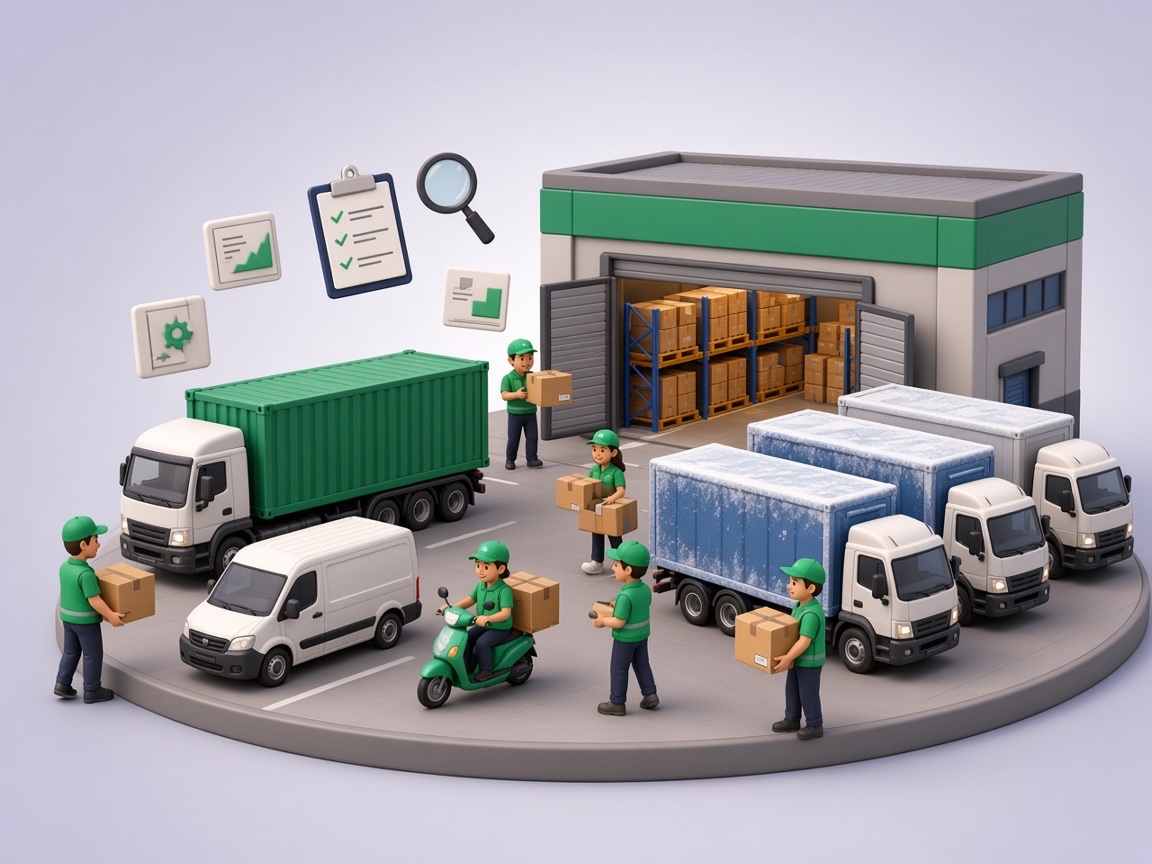
specifics like vehicle types, cold chain capacity, or bulk handling, which buyers filter by during vendor comparison
-
Tracking and reliability signals
content addressing turnaround time, tracking capability, and service reliability, which weighs heavily in B2B logistics decisions
-
Quote and enquiry-focused structure
page paths and layouts built around getting a business to request a quote quickly, not generic browsing
Who This Is For
Freight and cargo companies, freight forwarders, courier and last-mile delivery providers, warehousing and fulfilment businesses, and fleet or transportation operators whose customers are businesses evaluating multiple providers before committing. Our SEO for Transportation Companies approach is built for this B2B evaluation process, not consumer shopping behaviour.
What Drives the Cost
Cost depends on how many routes, service types, or coverage areas need individual visibility, and how competitive your specific region already is. A single-route regional operator may require a narrower scope than a multi-city provider covering several routes and service lines. We scope this after reviewing your actual coverage, fleet, current search visibility, and how competitive your specific routes and locations already are.
Why Reliability Content Converts Better Than Price Content
Most logistics websites lead with pricing, but buyers vetting a new provider are usually more worried about missed deliveries and damaged cargo than saving a few rupees per shipment. Content built around turnaround consistency, tracking visibility, and how issues get handled when something goes wrong tends to earn more inquiries than a page built entirely around being the cheapest option.
The Section Most Logistics Pages Skip: Proof, Not Just Claims
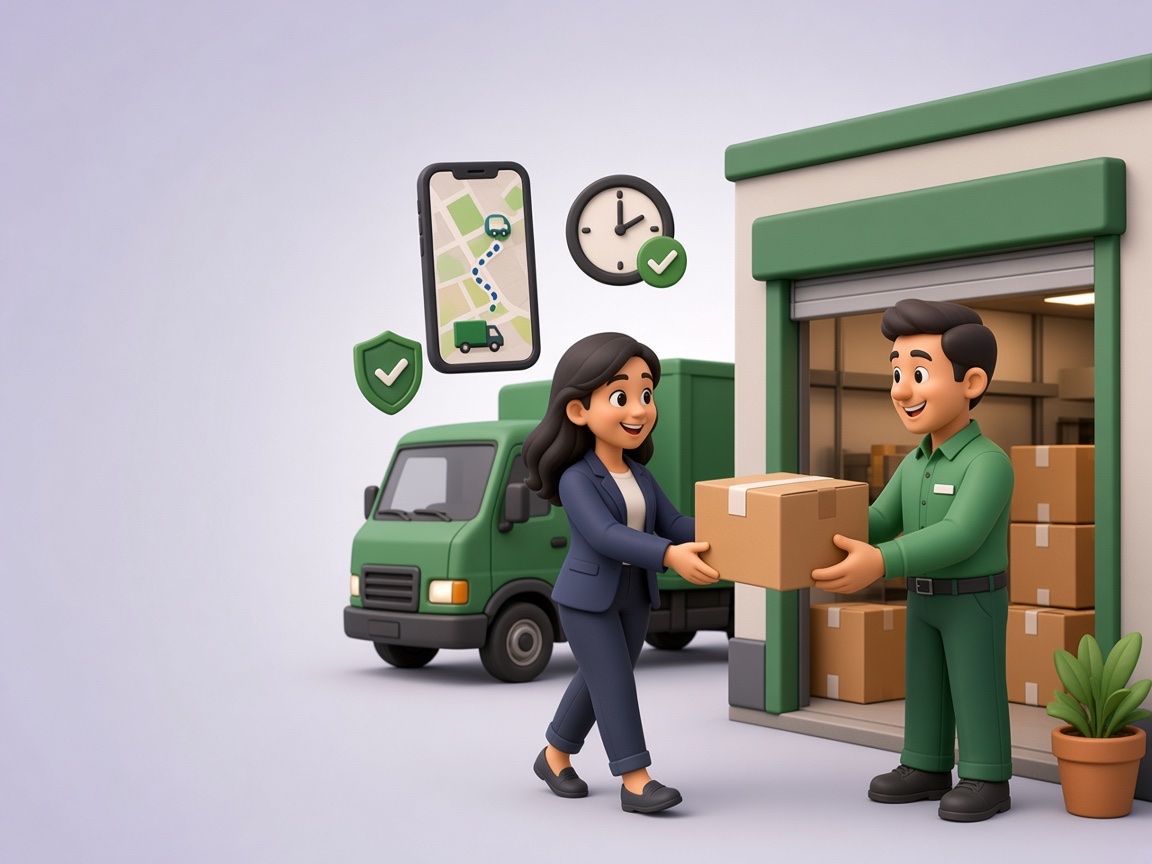
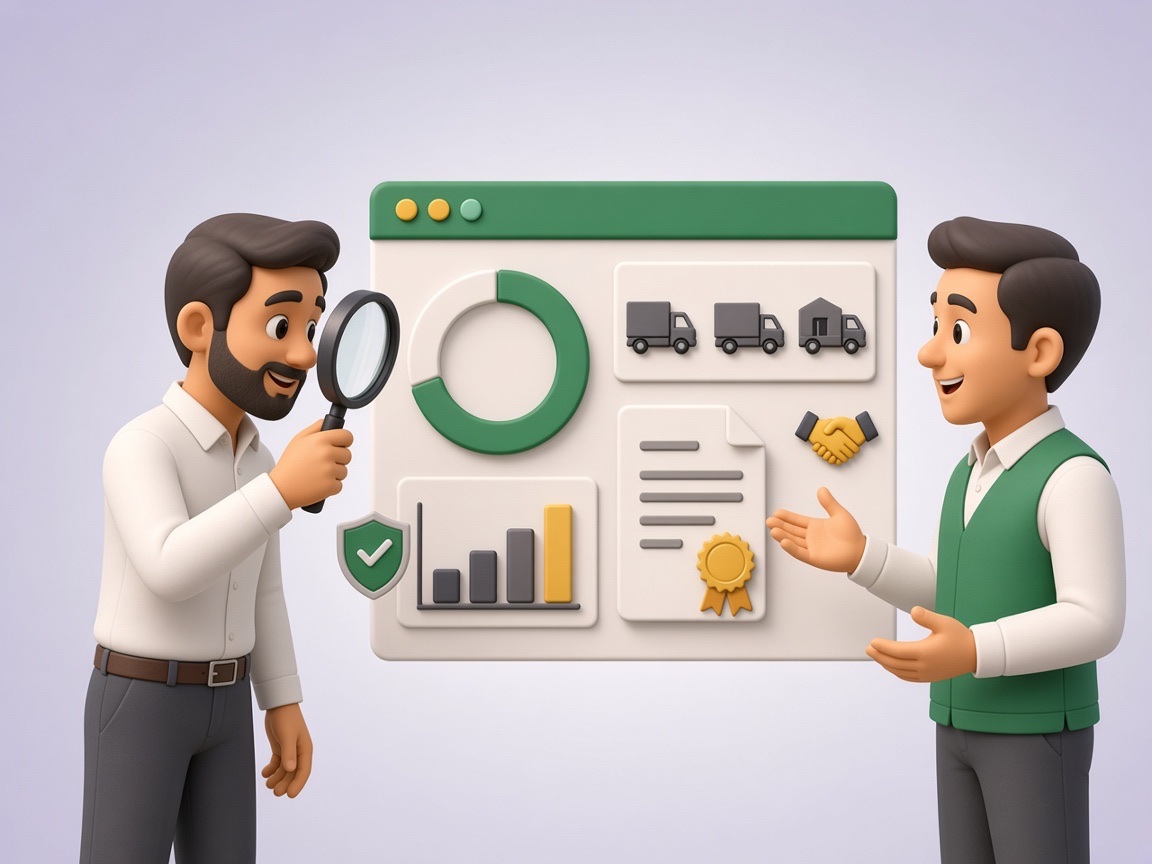
Buyers aren't just comparing who ranks they're trying to de-risk a decision before they've even called you. A dedicated section with real, verifiable proof points can be more useful to a buyer than relying only on adjectives like "trusted" or "reliable." Where you have the figures to support it, this section can include:
-
On-time delivery or SLA performance, stated as a verified number rather than a general claim
-
Fleet or facility scale, such as number of vehicles, warehouses, or depots you actually operate
-
A specific client outcome, shared only with the client's permission and accurate supporting detail
-
Incident-handling transparency, explaining how delays or damage claims are actually resolved
We only build this section around information your business can genuinely stand behind unverified numbers that do more harm than good once a buyer starts asking questions. This kind of specific, structured content can also make your website more useful for AI-generated search experiences, where clearly stated and verifiable information can help systems understand and summarize your business.

It focuses on routes, services, coverage areas, and operational capabilities rather than just business name and location because that's how B2B buyers actually search.
SEO timelines vary depending on competition, website condition, target searches, content quality, and the scope of optimization. Route- and service-specific pages may begin showing changes as they are indexed and gain relevance, while building stronger organic visibility generally requires ongoing optimization.
Both. A single-route regional operator gets a tighter, faster-to-rank strategy; a multi-route provider gets a broader page structure covering each corridor and service line separately.
No. Navi Mumbai and Vashi are our core local focus, but the same approach extends to businesses targeting customers across Mumbai, Maharashtra, or wider markets based on service coverage.
Ready to Be the Provider Businesses Actually Find?
If businesses are searching for logistics support on your routes and finding someone else, that's usually a visibility gap, not a capability gap. Swami Webcraft Solutions Pvt. Ltd. offers Logistics & Transportation SEO Services in Navi Mumbai, built around how businesses actually evaluate and search for a logistics partner.